The Sensitive Skin Reset: A Holistic Approach to Calming Reactive Skin
Think about a dry sponge.
When a sponge is dehydrated, it’s flat, rough, stiff, and lifeless. It has no give, no bounce, no ability to absorb. Now imagine that same sponge fully hydrated — soft, plump, flexible, responsive. It receives easily. It holds. It performs the way it was designed to.
Your skin works exactly the same way.
When the skin barrier is compromised — stripped by acids, depleted by stress, dried out by environment, or quietly irritated by ingredients it was never suited for — it becomes the dry sponge. Tight, red, reactive, flat. It stings at things it used to tolerate. It flushes at temperatures it handled before. It reacts, seemingly, to everything.
The Reset
The reset is not about finding the right new product. It’s about rebuilding the foundation.
Step One: Remove What’s Disrupting It
The instinct when skin is reactive is to add — a new serum, a new formula, something that will finally work. Usually, the opposite is what’s needed first.
Stop the acids. AHAs, BHAs, glycolic acid, lactic acid, retinoids — these are the most common barrier disruptors in a modern skincare routine. For a compromised barrier, they’re not treating the problem. They’re extending it.
Remove fragrance. It’s the most common skin sensitizer in skincare, and it’s in almost everything — including products labeled for sensitive skin.
Audit for citric acid. Citric acid appears on labels and reads as natural, but in most skincare formulations it’s produced through industrial fermentation using Aspergillus niger — a mold. For reactive skin, especially for anyone with mold sensitivity, it can be a trigger hiding in plain sight. Every product I carry at Rhythm & Ritual is formulated without it, and I’ve watched clients improve significantly simply by removing citric acid from their routine.
Strip back to the fewest products possible:
a gentle cleanser, a barrier-supporting mist, a moisturizer. That’s the foundation. Everything else gets added back slowly, one at a time, once the skin has had a chance to stabilize.
Step Two: Flood the Barrier with Hydration
Hydration is the first tool I reach for with every sensitive skin client — not actives, not treatments. When the barrier is depleted, the skin’s ability to hold water drops, transepidermal water loss increases, and sensitivity compounds. Flooding the skin with layered hydration before anything else gives the barrier the raw material it needs to begin repairing.
I call it skin flooding: layer hydration two or three times before sealing with moisturizer so the skin is genuinely saturated before you ask it to do anything else. Most people see a meaningful shift within two to four weeks when they genuinely remove the disruption and commit to this approach.
The Two Products I Reach For First
There are two mists I consistently recommend as the foundation of a sensitive skin ritual. Both are formulated without citric acid. Both use a functional base rather than plain water.
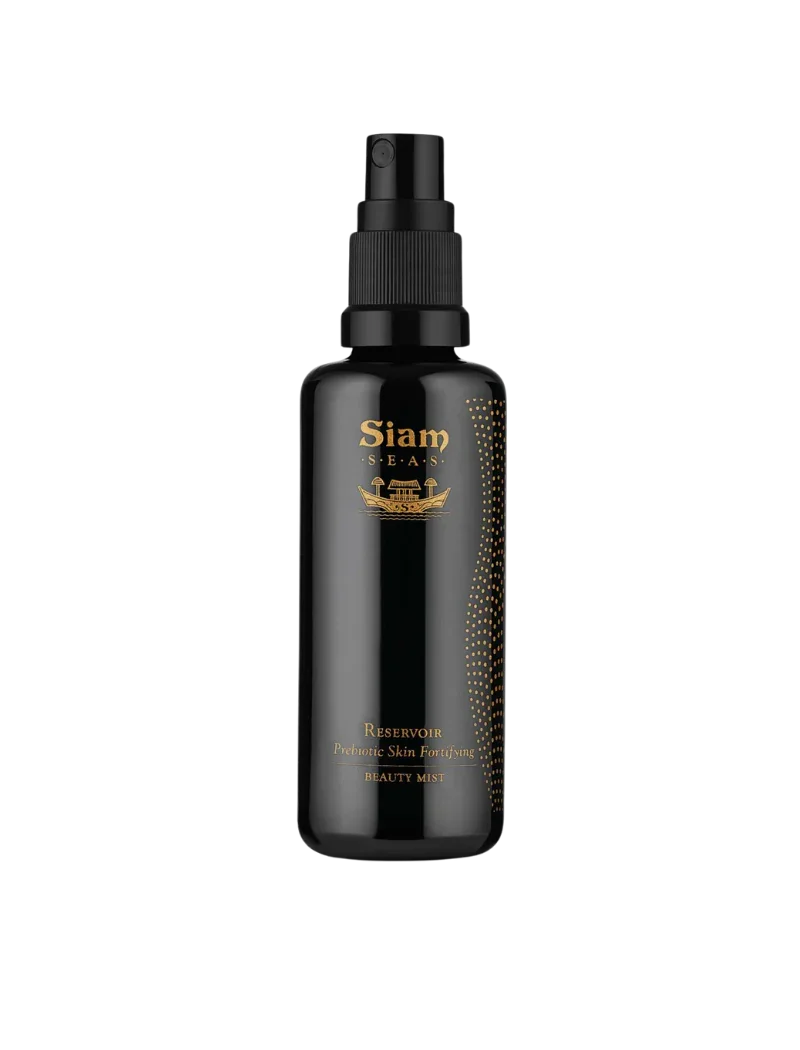
Siam Seas Reservoir Prebiotic Skin Fortifying Mist
The Reservoir is designed to boost and maintain hydration while supporting a more balanced-looking skin barrier. Rather than plain water, it uses functional botanical waters and bioactive ingredients — so every spray delivers active support, not just moisture that evaporates.
Colloidal copper and copper peptides are associated with skin repair, elasticity, collagen support, and wound-healing pathways. Copper peptides, particularly GHK-Cu, have been researched for tissue remodeling, collagen support, and inflammation modulation. Propolis brings soothing and protective support. Vegan glucosamine and multi-weight natural sugars are the hydration heroes — supporting the skin’s ability to hold onto water, which is exactly what a depleted barrier needs most. Formulated without citric acid.
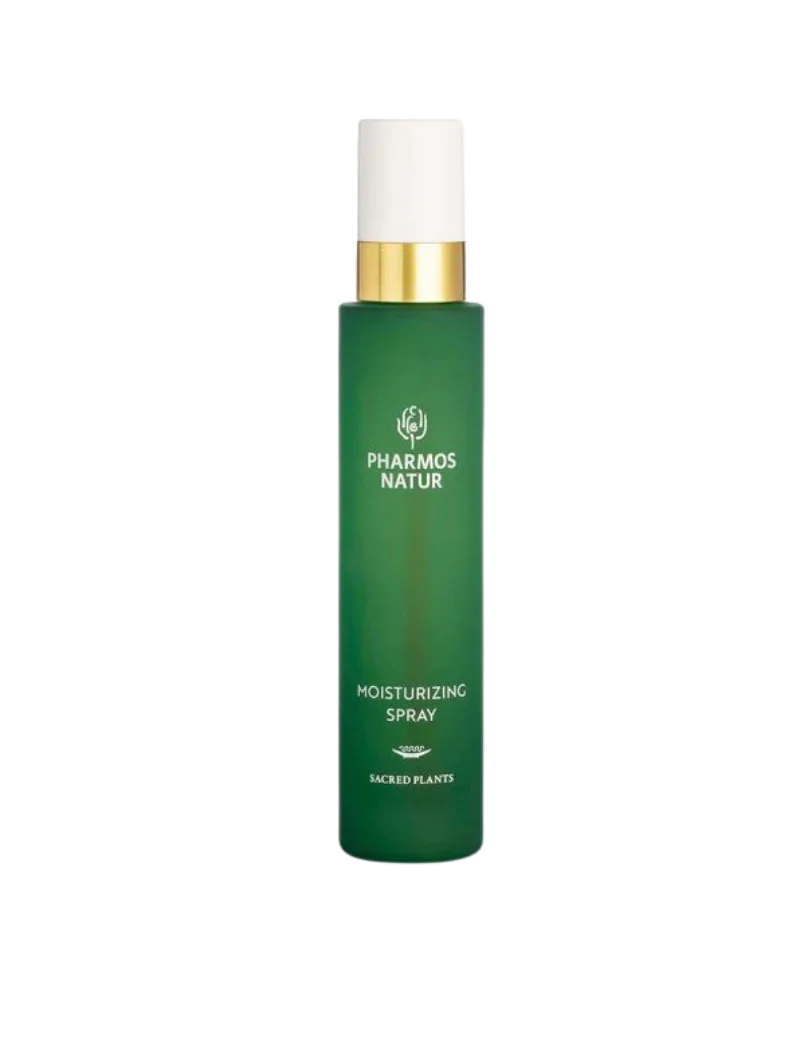
Pharmos Natur Moisturizing Spray
Where the Reservoir is mineral-rich and active, the Pharmos Natur spray is pure and elemental. Its entire base is 100% organic aloe vera juice — not water — combined with Tulsi (Holy Basil).
Aloe is among the most researched botanical ingredients for sensitive skin, with studies connecting it to anti-inflammatory, antioxidant, antimicrobial, and wound-healing properties. Because the base is aloe juice rather than water, the formula delivers vitamins, minerals, enzymes, amino acids, and polysaccharides that support the skin — not just hydrate its surface. Tulsi adds antioxidant and anti-inflammatory support, traditionally valued for its protective, balancing properties.
Lightweight, no residue, formulated without citric acid.
One note: Pharmos contains tea tree oil and naturally occurring eugenol, both of which can sensitize certain reactive skins — patch test first if you’re in that category.
Why Water-Free and Citric Acid-Free Matters
Most conventional skincare products are primarily made with water. Water-based formulas require additional preservatives and stabilizers to stay shelf-stable — adding ingredient complexity. For highly sensitive skin, every additional ingredient is something else the barrier has to process.
The Reservoir uses functional botanical waters rather than plain water as a filler. The Pharmos Natur spray uses aloe vera juice as its entire base, bringing vitamins, minerals, and natural polysaccharides that hydrate and nourish simultaneously. Neither formula contains citric acid.
For clients who describe their skin as burning, stinging, flushing easily, or reacting to everything: removing potential triggers while flooding the skin with hydration is often the fastest path back to calm. Less irritation. More communication. The skin starts to tell you what it actually needs.

Simple Rituals
After cleansing, mist generously with Pharmos Natur, Siam Seas Reservoir, or both — layered. Press into the skin with clean hands. Repeat 2–3 layers if the skin feels very dry or tight. Seal with a gentle moisturizer or barrier balm while the skin is still damp.
Morning:
Gentle cleanse → mist → barrier serum → moisturizer → SPF. Keep it short.
Morning is about protection, not treatment.
Evening:
Gentle cleanse → mist → treatment (only if the skin is stable) → moisturizer.
Overnight is when the skin repairs. Not the time for acids.
Weekly:
An enzyme mask or gentle resurfacing option if the skin is stable.
A manuka honey mask on nights when the skin needs to be fed rather than refined.
The Nutrition and Lifestyle Layer
No topical routine fully addresses a skin barrier being undermined from the inside.
Stress is aging you
Cortisol, elevated by chronic stress, directly impairs ceramide production and keeps the skin in a low-grade inflammatory state. Poor sleep interrupts the overnight repair cycle the skin depends on. Inflammatory foods — sugar, processed seed oils, alcohol — drive systemic inflammation that shows up on the face.
Reduce: sugar, alcohol, processed seed oils, ultra-processed foods.
Add: omega-3 fatty acids, deeply pigmented vegetables, adequate protein, consistent hydration. Notice: individual triggers — dairy, gluten, and nightshades affect some people meaningfully and others not at all. Your data is yours.
From a lymphatic perspective
The lymphatic system moves fluid, cellular waste, and inflammatory byproducts out of the tissue. When it stagnates — from sedentary habits, dehydration, or chronic stress — that burden accumulates in the skin and fascia, often appearing as redness, puffiness, stiffness, congestion, and heightened reactivity.
Movement, dry brushing, adequate hydration, and professional lymphatic support all help. This is a core part of the work we do at Rhythm & Ritual, and it’s frequently the piece that makes everything else work better.
What Happens When You Get It Right
Skin that is given what it actually needs — hydration, reduced burden, calm — responds. Usually faster than people expect. Like a dry sponge absorbing water again: the skin regains its bounce, its softness, its radiance, and its ability to function the way it was designed to.
That is the goal. Not perfect skin. Skin that is working.